
A well chosen backpacking tent keeps you dry, saves weight on the trail, and sets up fast after a long day of hiking.
Choose a backpacking tent by matching capacity, season rating, and packed weight to your trips. Count one person per sleeping pad, then add room for a dog or a partner. Three season shelters handle most conditions, while four season designs stand up to snow and strong wind.
Read The Full Guide
How To Size A Tent
Start with sleeping pads instead of a head count. Lay your pads side by side and compare their width to the tent floor. Add extra room if a dog, a large pack, or muddy boots will spend the night inside.
Three Season Versus Four Season
Three season tents cover spring, summer, and fall, and they balance airflow with rain protection. Four season tents use stronger poles and more fabric to carry snow load and steady wind. Most hikers do well with a three season design and only move up for winter trips.
Weight And Packed Size
Trail weight is the honest number, because it includes poles, stakes, and the stuff sack. Split the load with a partner when the tent is bulky. Check the packed length against your pack before you commit.
Doors, Vestibules And Ventilation
A vestibule gives wet packs and shoes a covered place to sit. Mesh panels and roll back vents reduce the damp film that forms overnight. Two doors keep a partner from climbing over you at two in the morning.
Quick Buying Checklist
- Set your budget first, then compare features instead of floor space alone.
- Confirm trail weight, packed length, and how the load splits between hikers.
- Check floor length and width against your height and pad size.
- Practice the pitch once at home so setup is easy in the dark or in rain.
Top Picks To Compare
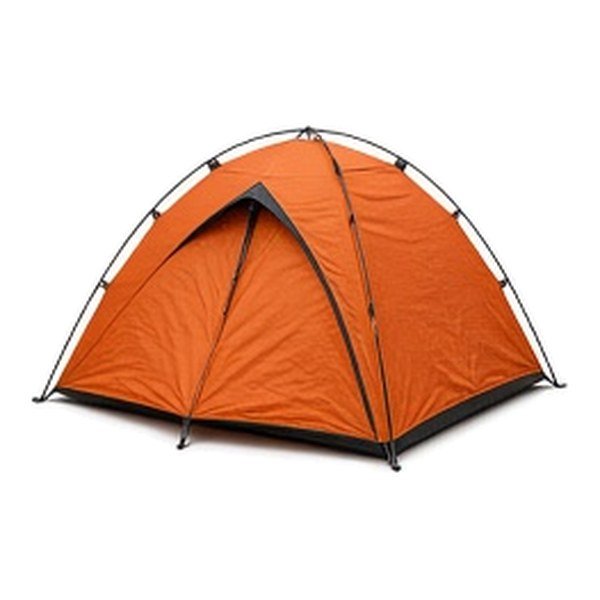
Solo Backpacking Tents
Check the floor length and whether the vestibule has room for a dog and a pack.

Family Backpacking Tents
Compare floor area and wall height, since a family spreads out far more at camp than on the trail.
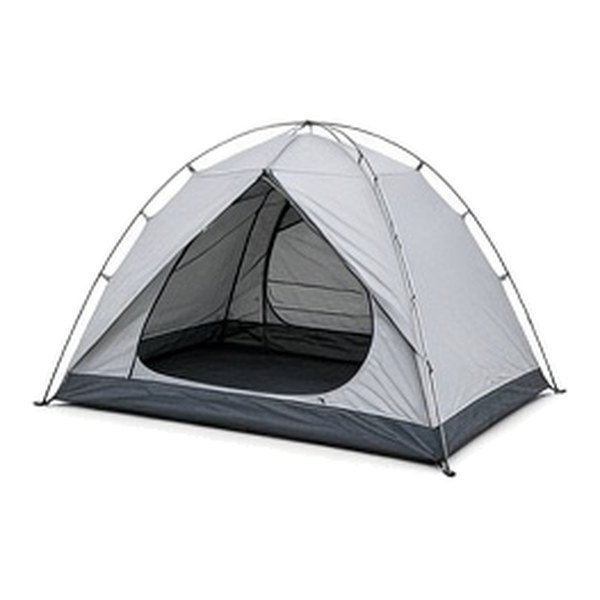
Ultralight Backpacking Tents
Weigh the complete kit, because thin fabric and fewer poles trade away some durability.
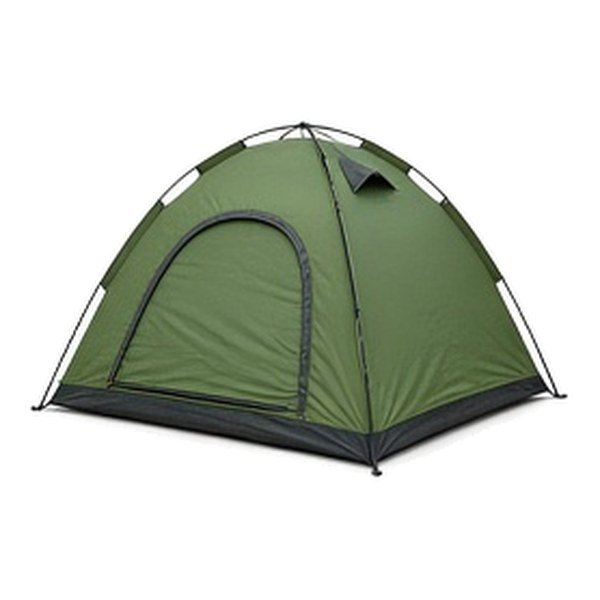
Double Wall Tents
Confirm the rainfly lifts off separately so the mesh inner can breathe on clear nights.
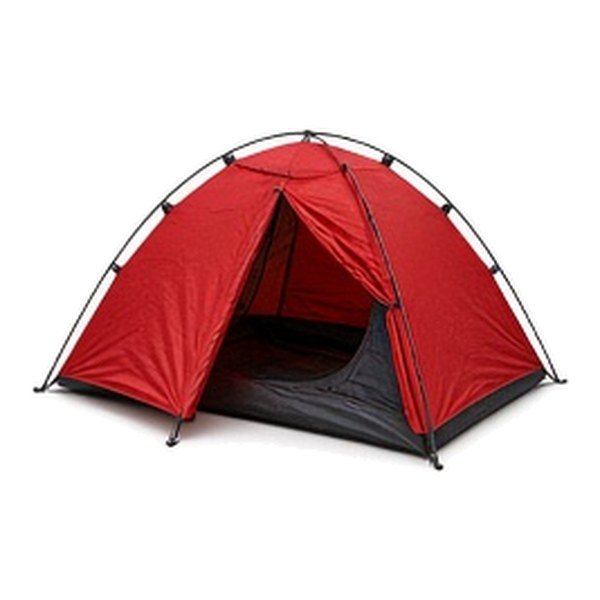
Freestanding Tents
Make sure every pole seats without stakes, which helps on rock slabs and wooden platforms.
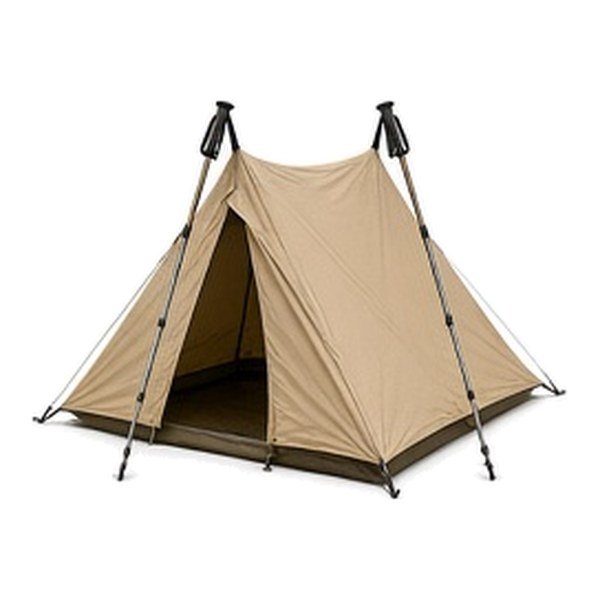
Trekking Pole Tents
Plan on carrying your poles, and check that the pitch works with the stakes you already own.
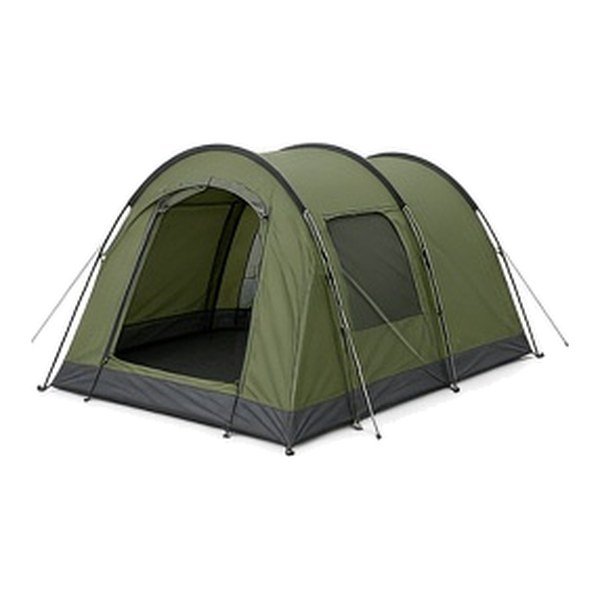
Tunnel Tents
Count the pole arches and guyout points, since tunnel shapes lean on firm stakes in soft soil.

Tarp Shelters
Check the tie out points and whether you also need a ground sheet to stay dry.
Questions Shoppers Ask
What Size Backpacking Tent Do Two People Need?
A two person tent is built around two sleeping pads, so compare the floor width to your own pads before buying. If you camp with a dog or bulky packs, move up to a three person model.
Which Backpacking Tent Handles High Winds Best?
Look for a low profile shape, strong poles, and many guyout points you can stake down. Four season and geodesic designs hold up best when wind and snow arrive together.
Are Backpacking Tents Good For Tall Campers?
Check the floor length rather than the person count, and look at where the interior pockets sit. Many tall hikers pick a three person tent for the extra legroom.
Can A Backpacking Tent Sleep A Family Of Four?
Family sized tents add floor area and often steeper walls, but they are much heavier to carry any distance. Some families split up and bring two smaller tents on the trail.