
A good sleeping bag keeps you warm, packs down small, and lasts for many seasons of camping.
Start with the temperature rating you need, then pick the shape. Mummy bags hold heat well and suit backpacking. Rectangular bags give more room for car camping and side sleepers. Choose down for light weight and warmth, or synthetic when damp weather is likely. Add a liner and a stuff sack.
Read The Full Guide
How To Read Temperature Ratings
Every sleeping bag carries a rating on its tag. Compare the comfort rating, which is the warmth most sleepers feel, with the limit rating, which marks the coldest point. Match the rating to the coldest night you expect, not the average night.
Down Versus Synthetic Fill
Down is light, warm, and packs down small, and it lasts for years with good care. Synthetic fill dries faster and still insulates when it is damp. Pick down for backpacking and synthetic for car camping, damp climates, and family trips.
Shapes And Fit For Side Sleepers
Mummy bags taper at the feet and trap heat well. Rectangular bags open flat and give side sleepers room to roll. If you sleep on your side, look for a wider cut through the shoulders and hips, or choose a longer bag.
Stuff Sacks And Long Term Storage
A compression sack shrinks a bag for the trail, while a loose storage sack protects the fill at home. Keep both down and synthetic bags uncompressed in a dry place. Never leave a bag crushed in its sack between trips.
Quick Buying Checklist
- Match the temperature rating to your coldest expected night
- Choose the shape that fits how you sleep
- Check the packed size against your pack or your car trunk
- Add a liner, a stuff sack, and an insulated pad
Top Picks To Compare

Down Sleeping Bags
Check the fill power and the packed size, and look for a lightweight three season bag if you carry it on your back.

Synthetic Sleeping Bags
Look for a bag that dries fast and handles damp ground, which makes it a steady pick for car camping, then match a compression sack to the stuff sack size listed on the bag.

Mummy Sleeping Bags
Check the shoulder and hip width, since a snug cut can feel tight if you sleep on your side.

Rectangular Sleeping Bags
Look for a full length zipper and a roomy cut, since this shape is the best three season choice for many side sleepers.
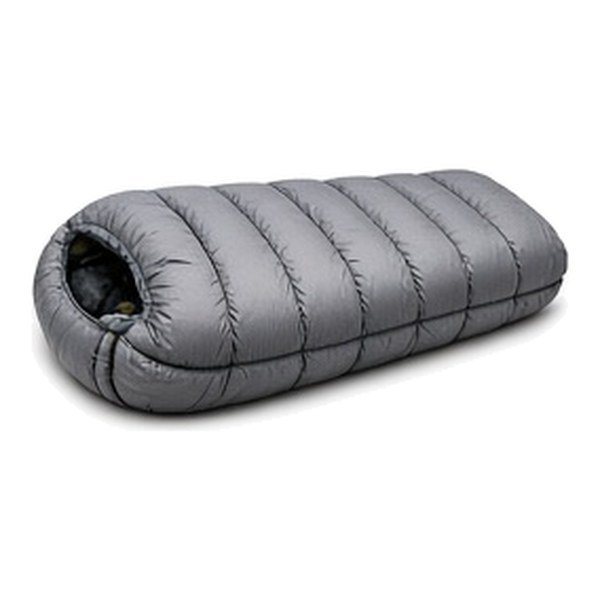
Double Sleeping Bags
Measure your mattress or cot first, and check that the bag fits two adults with room to turn.
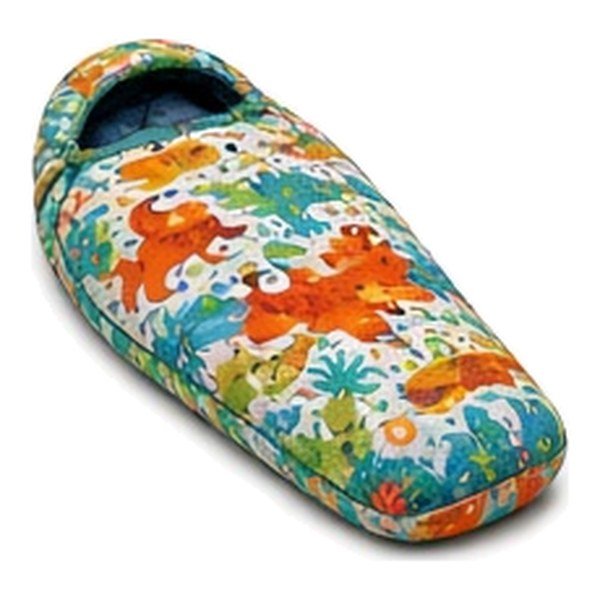
Kids Sleeping Bags
Match the bag length to your child's height so the empty space at the feet does not waste body heat.
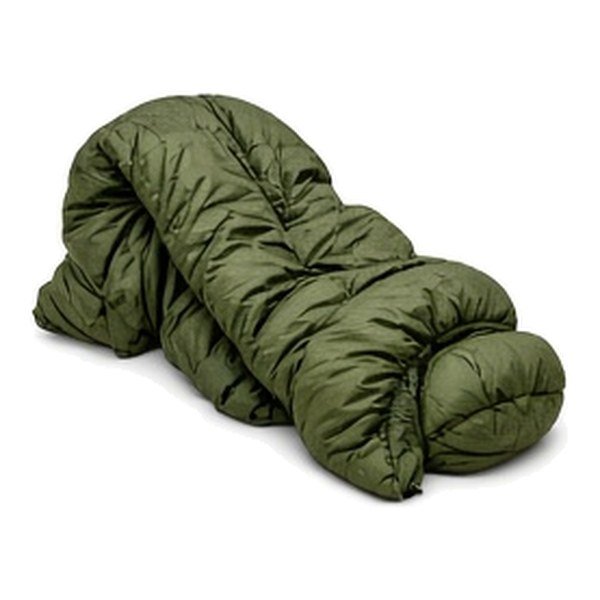
Backpacking Quilts
Check the pad attachment system, since a quilt needs an insulated sleeping pad underneath to keep you warm.
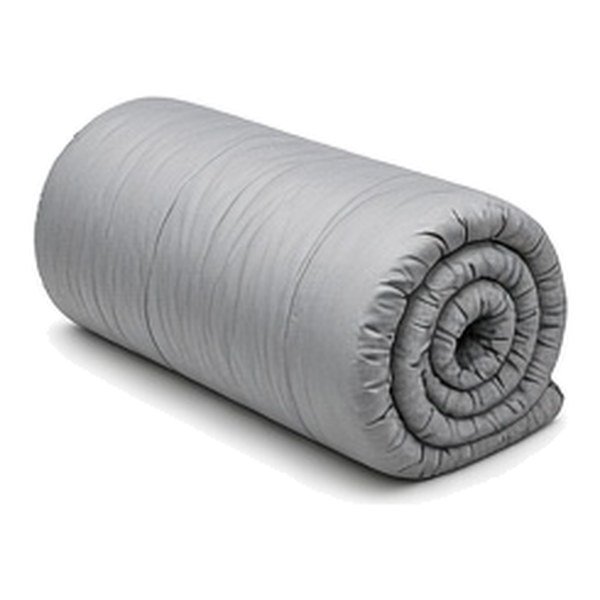
Sleeping Bag Liners
Pick a liner shape that matches your bag, and check that it adds a little warmth and washes easily.
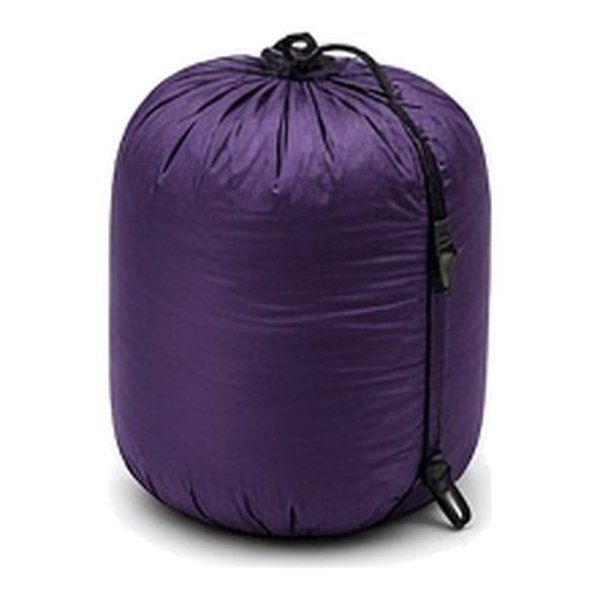
Compression Sacks
For a down sleeping bag, choose a compression sack a little roomier than the bag's own stuff sack, and step up again for a double bag.

Stuff Sacks
For a down sleeping bag, match the stuff sack to the packed volume listed on the bag, and pick a larger sack for a double bag.
Questions Shoppers Ask
Which Sleeping Bag Is Best For Cold Weather
A down mummy bag with a lower temperature rating holds the most warmth for its weight. Check the comfort rating on the tag, and put an insulated sleeping pad underneath.
What Size Sleeping Bag Does A Ten Year Old Need
Choose a bag that matches your child's height instead of an adult length. Shorter bags made for children keep the empty space at the feet small, so less body heat is wasted.
What Size Backpack Fits A Tent And Sleeping Bag
Add up the packed sizes of both items, then leave room for food, water, and spare layers. A pack with a separate sleeping bag compartment makes loading and unloading easier.
What Sleeping Bag Liner Suits A Camino De Santiago Walk
A light silk or synthetic travel liner adds a little warmth and keeps the bag cleaner between washes. Pick a rectangular liner that fits inside a mummy bag without bunching.