
Good sleep outdoors starts with the right sleeping pads or air mattresses, so matching your gear to the trip keeps you warm, rested, and ready for the day.
Sleeping pads are lighter, pack smaller, and add insulation from cold ground, so they suit backpacking trips. Air mattresses feel more like a real bed and offer plush comfort, but they are heavier and need a pump. Choose pads for portability and air mattresses for car camping comfort.
Read The Full Guide
Comfort And Support
Air mattresses sit higher off the ground and feel closer to a bed at home. Sleeping pads are firmer and thinner, yet they still cushion hips and shoulders. Pick the feel that helps you rest best.
Warmth And Ground Insulation
Ground steals body heat on cold nights, so insulation matters as much as softness. Foam and self inflating pads block that chill well, while air mattresses often need extra help underneath. Check the warmth rating before you buy.
Weight And Pack Size
Backpacking rewards light, compact gear, and closed cell foam pads win here. Air mattresses pack bulky and heavy, which suits car camping better than a long hike. Match the carry to how far you plan to walk.
Setup And Durability
Self inflating and inflatable pads unroll or open a valve in seconds. Air mattresses need a pump and more time, and a stray rock can cause a leak. Bring a patch kit so small punctures never end the trip.
Quick Buying Checklist
- Match the pad or mattress size to your tent floor and body length.
- Check the warmth rating for the coldest season you plan to camp.
- Confirm whether a pump, valve, or patch kit comes with it.
- Weigh packed size against how far you carry your gear.
Top Picks To Compare
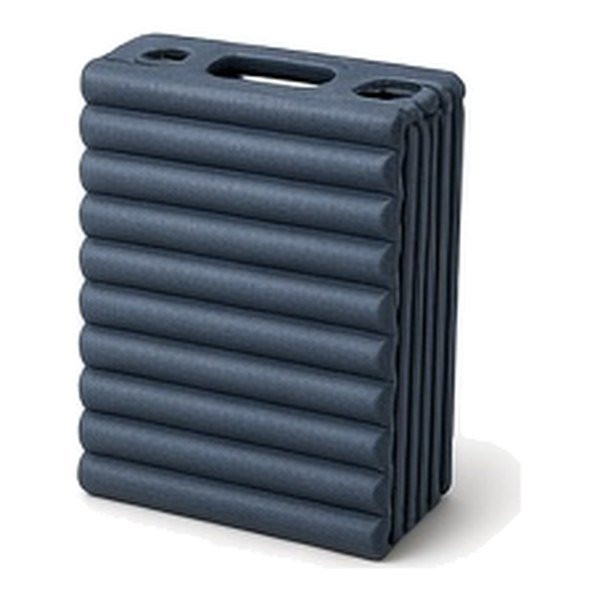
Closed Cell Foam Pads
Check the foam density and packed size, since these pads never puncture and double as a sit pad around camp.
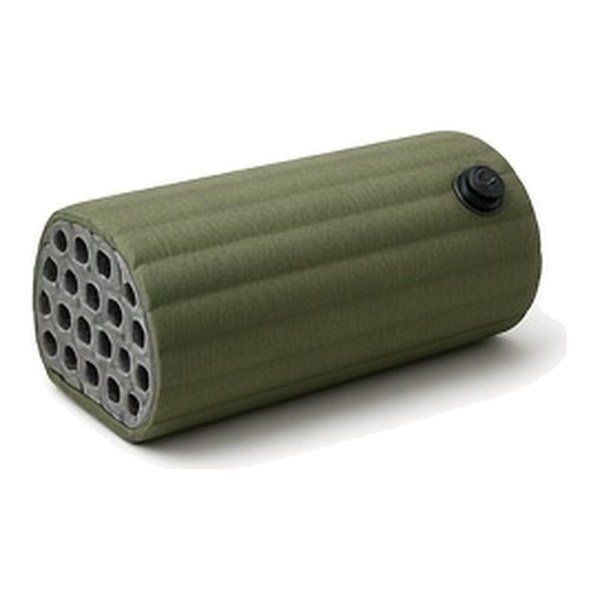
Self Inflating Pads
Open the valve and the pad fills itself, so look at thickness and warmth for the seasons you camp in.
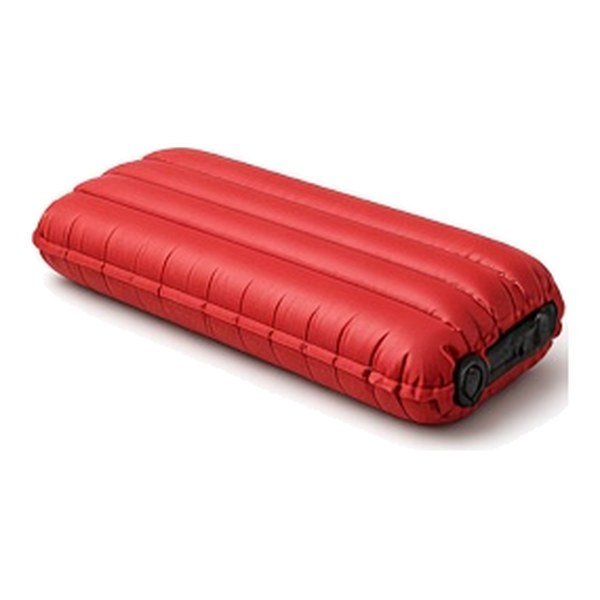
Inflatable Sleeping Pads
These pack the smallest for backpacking, so compare weight, width, and how the fabric feels when you move.

Camping Air Mattresses
For use in tents, confirm the mattress fits your floor space and check whether a pump is included.
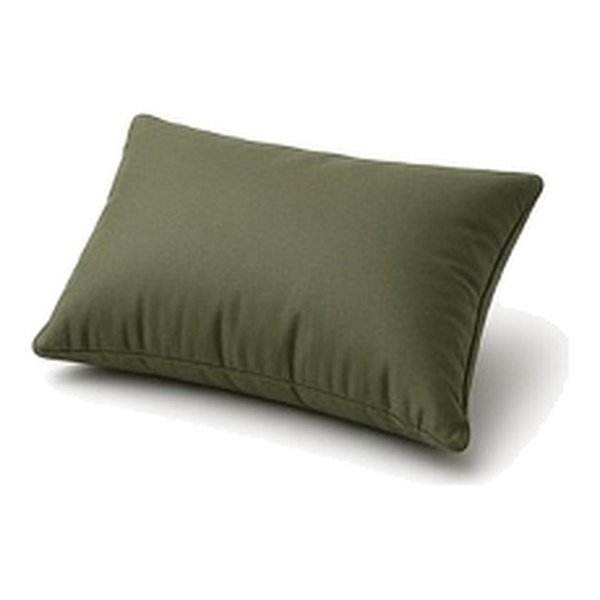
Camp Pillows
A camp pillow keeps your head off the pad, so look for a compressible fill and a washable cover.
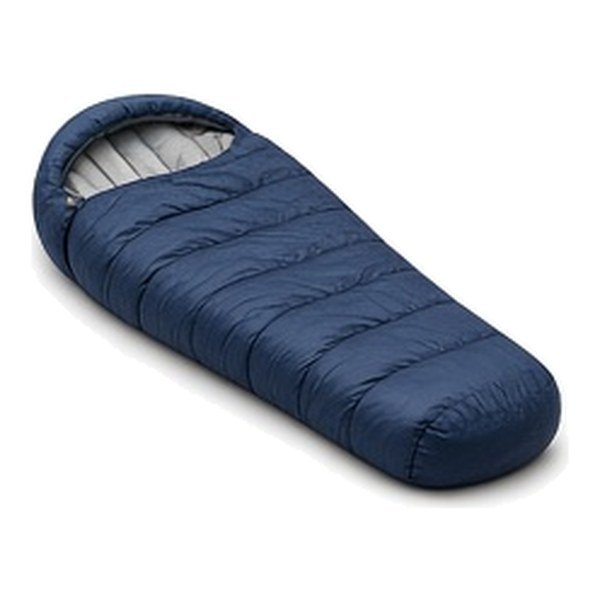
Sleeping Bags
Match the temperature rating to your coldest nights, and check that the bag fits over your pad without slipping.
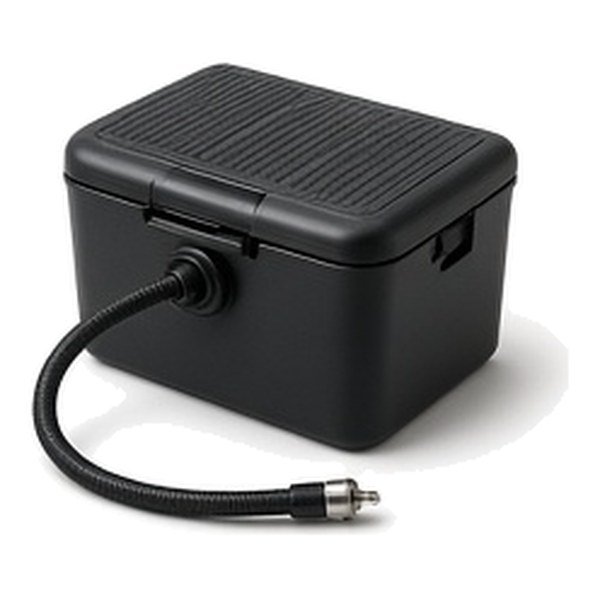
Foot Pumps
A foot pump inflates a mattress without tiring your lungs, so check the valve fits your mattress and the hose reaches the floor.
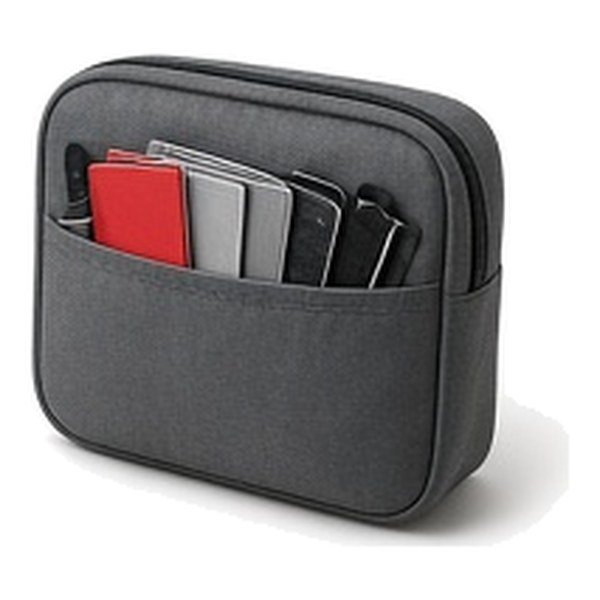
Repair Patch Kits
A patch kit seals small leaks fast, so confirm the patches suit your mattress material and that the glue is included.
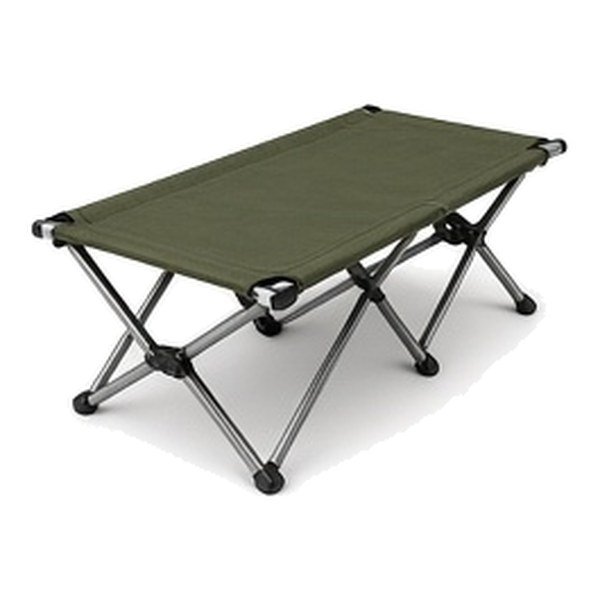
Camping Cots
A cot lifts you off the ground on its own, so check the height, the weight limit, and how it folds for travel.
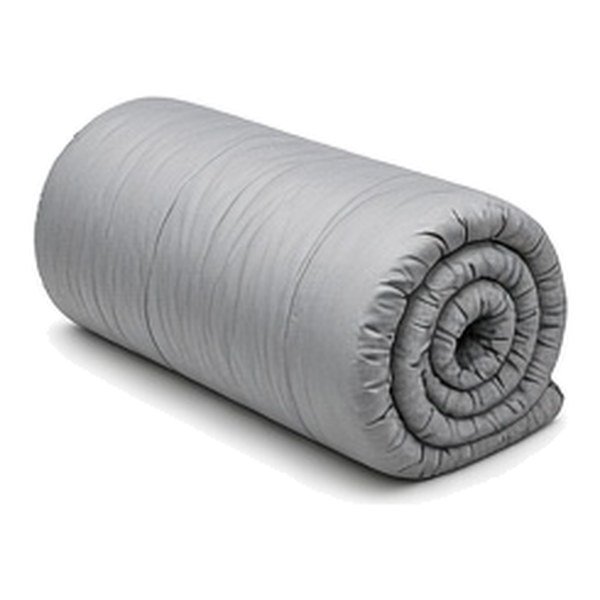
Sleeping Bag Liners
A liner adds a touch of warmth and keeps the bag clean, so match its shape to your bag and pad width.
Questions Shoppers Ask
Are Camping Air Mattresses Good For Tents?
Yes, camping air mattresses work well in tents when the size fits your floor space. Choose a lower profile mattress that leaves room for your head and gear.
How Do I Size A Mattress For A Toddler Camper?
A toddler needs a shorter, narrower mattress than an adult, so measure your tent and your child before buying. Many small air mattresses and pads suit young campers well.
Which Fitted Sheets Fit Extra Deep Mattresses?
Extra deep air mattresses need fitted sheets labeled for deep or extra deep pockets. Match the sheet size to your mattress, such as a twin extra long, so the corners stay snug.
Do Mattress Toppers Work On Sleeping Pads?
Yes, a topper can soften a firm pad or air mattress for a more bed like feel. Wool and memory foam toppers both add cushioning, though they add packed bulk.