
Brighten your outdoor adventures and nighttime pathways with the ideal camping lantern.
Selecting the right camping lantern depends on your desired brightness measured in lumens, your power preference between rechargeable batteries and traditional fuel, and how you plan to carry it. Bright models illuminate entire picnic tables, while dim settings help preserve night vision and battery life during long trips.
Read The Full Guide
Understanding Lumen Output Levels
Lumen ratings measure total light output to help you match brightness to your specific campsite needs. Lower output levels create a cozy ambiance inside family tents while higher output levels illuminate dark trails and cooking areas.
Choosing Power Sources And Batteries
Lanterns run on rechargeable internal batteries, replaceable alkaline cells, or liquid fuels like propane and kerosene. Many modern units feature USB charging ports so you can power small electronics directly from your light source.
Selecting Physical Sizes And Weights
Compact lights slip easily into hiking backpacks while larger models anchor base camp picnic tables. Consider how much storage space you have in your vehicle before choosing a bulky traditional fuel model.
Utilizing Extra Lighting Modes
Red light settings preserve night vision and prevent insects from swarming around your seating area during late evenings. Flashing emergency modes provide added safety visibility when unexpected weather rolls into camp.
Quick Buying Checklist
- Determine your required brightness in lumens for specific camp tasks.
- Decide between rechargeable internal batteries and traditional fuel sources.
- Check physical dimensions and weight limits for your packing method.
- Look for weather resistance ratings to handle unexpected rainstorms.
Top Picks To Compare
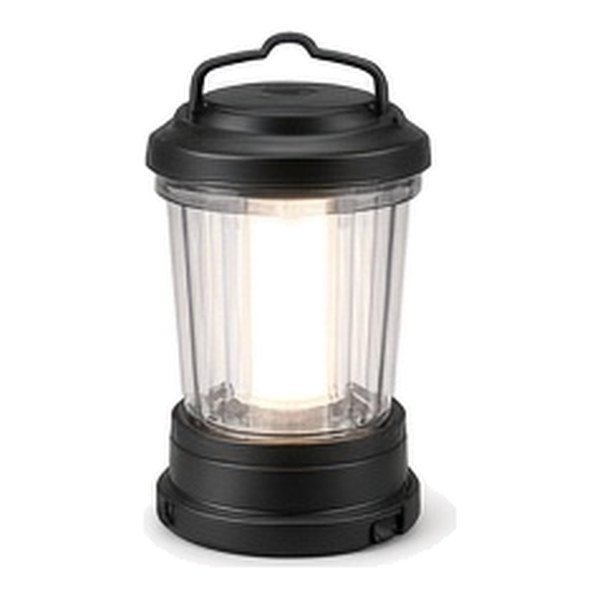
Rechargeable LED Lanterns
Verify the battery capacity and total run time on high settings before purchasing.
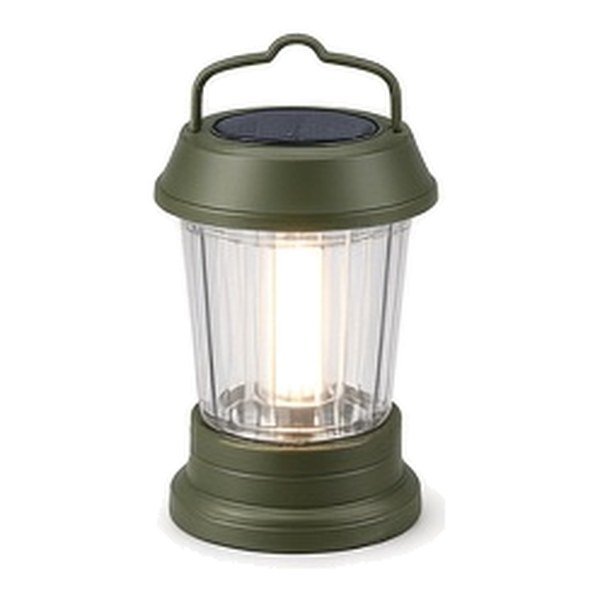
Solar Powered Lanterns
Check the solar panel efficiency and direct sunlight charging duration.
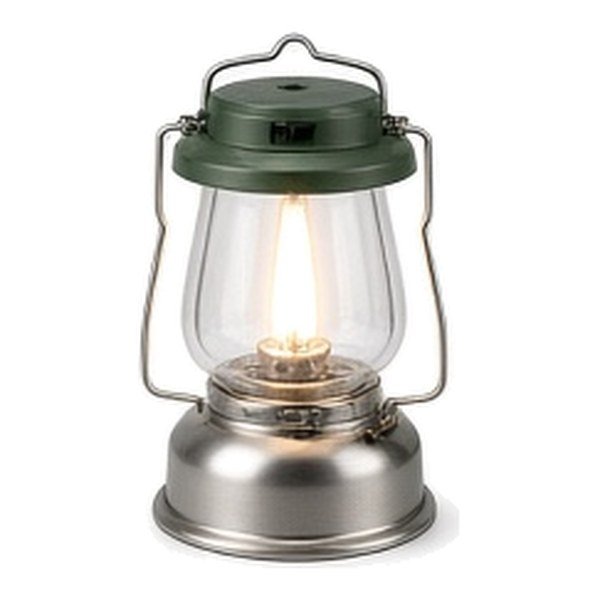
Propane Fuel Lanterns
Ensure you have compatible fuel canisters and spare mantles for backup.
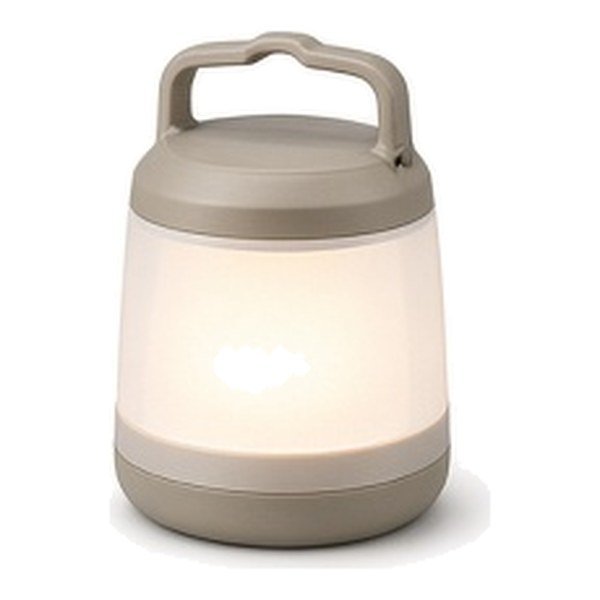
Battery Operated Lanterns
Note which standard battery sizes the housing requires for operation.
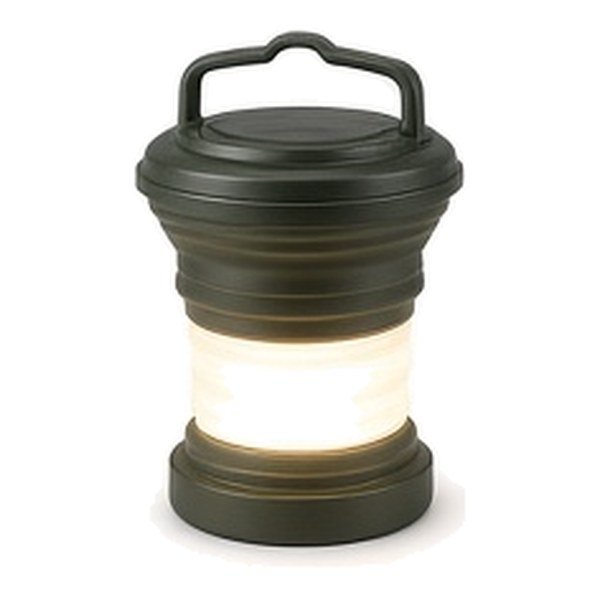
Collapsible LED Lights
Test the sliding mechanism to ensure smooth deployment and compact storage.

Hanging Tent Lights
Look for sturdy integrated hooks or magnetic mounts for easy ceiling attachment.

Red Light Lamps
Verify that the red mode operates independently without cycling through bright white.
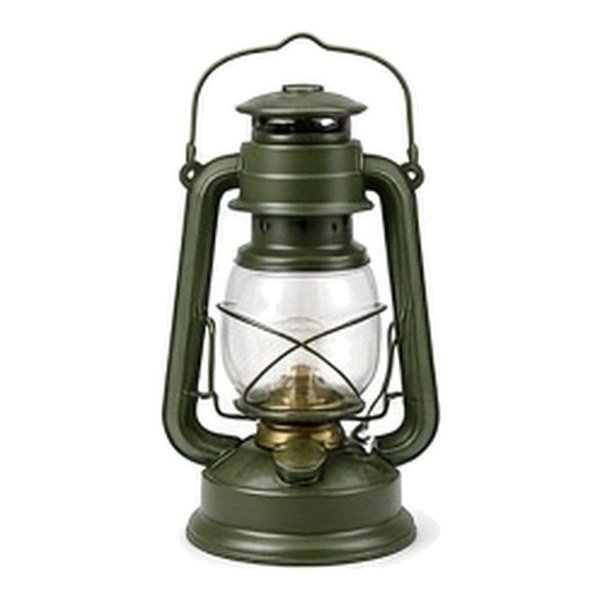
Classic Hurricane Lamps
Inspect the glass globe thickness and metal wind guard durability.
Questions Shoppers Ask
How Bright Should A Camping Lantern Be?
A lantern producing three hundred to six hundred lumens provides ample light for cooking and playing cards at a picnic table. Lower settings around one hundred lumens work well inside sleeping tents.
What Size Batteries Do Camping Lanterns Take?
Many traditional models require large D or C cell batteries, while modern LED versions often use standard AA cells or built in rechargeable lithium ion packs.
Are Solar Lanterns Reliable In Cloudy Weather?
Solar models still absorb ambient daylight on overcast days, though full direct sunlight yields the fastest and most complete battery recharge.
Why Choose A Lantern With Red Light?
Red light wavelengths help preserve your natural night vision in the dark and attract significantly fewer flying insects than bright white LEDs.